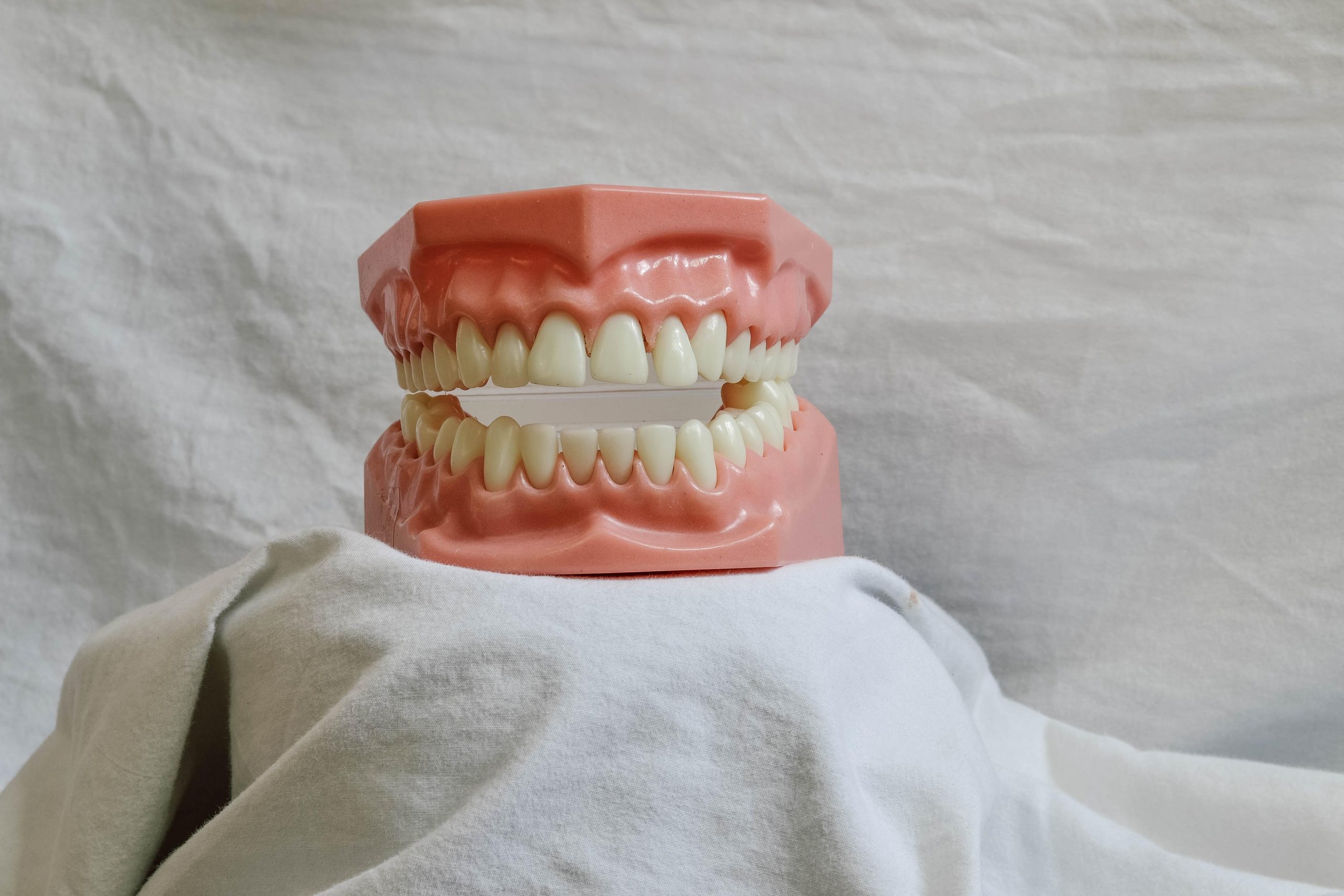
Kabar Regional, Bali – Seeing blood in your mouth can feel alarming, but many cases come from causes that dentists and first aid sources describe clearly, including a bitten lip or tongue, bleeding gums, or oozing after a tooth extraction. Small mouth injuries often look dramatic because the mouth has a rich blood supply, which means even a minor cut can bleed more than people expect. That is why learning ways to stop mouth bleeding can help you stay calm and act quickly.
Why Mouth Bleeding Happens
Before trying ways to stop mouth bleeding, it helps to know what may be causing it. Public medical guidance notes that mouth bleeding can happen after dental surgery, from gum irritation or gum disease, from biting the cheek, lip, or tongue, or from a broken tooth or other mouth injury. After an extraction, a small amount of pink saliva or light oozing can be normal because a blood clot is forming in the socket. Bleeding gums can also be linked to inflammation, brushing too hard, or other oral health problems that need dental attention.

Immediate Ways to Stop Mouth Bleeding at Home
The most important of all ways to stop mouth bleeding is direct pressure. NHS first aid guidance says to apply and maintain pressure with a clean pad or dressing until the bleeding stops. For mouth and tongue cuts, Healthdirect says constant pressure with a clean cloth or pad often stops simple bleeding within about 10 minutes. If the area is on the lip or tongue, a cold pack wrapped in cloth can also help reduce swelling while you keep pressure on the wound. These are simple steps, but they are the basis of the safest ways to stop mouth bleeding at home.
When trying ways to stop mouth bleeding, do not keep lifting the cloth or gauze every few seconds to check the wound. General first aid guidance says if blood soaks through, add more clean material and continue pressure rather than removing the first layer right away. That helps the clot stay in place. It is also smart to sit upright and stay calm, because heavy spitting, vigorous rinsing, and unnecessary movement can make oral bleeding continue longer than it should.
Ways to Stop Mouth Bleeding After a Tooth Extraction
Some of the most searched ways to stop mouth bleeding involve care after a tooth extraction. Several NHS dental aftercare sources advise biting firmly on clean damp gauze for around 15 to 20 minutes, or longer if your dentist specifically instructed it. They also advise avoiding hot food and drinks, smoking, heavy exercise, and frequent rinsing early on because all of these can disturb the clot. That clot is important because it protects the socket and supports healing.
If you are looking for ways to stop mouth bleeding in Bali after dental work or sudden oral pain, it can also help to know where emergency support is available. The official site for dental clinic in Bali Fidelity Dental Bali says the clinic offers emergency treatment for urgent conditions that require attention to control pain and bleeding and prevent further complications. Its website also lists tooth extraction and general dentistry among its services, so it is a reasonable local option to contact when home measures are not enough.
When Mouth Bleeding Needs Urgent Care
Not all ways to stop mouth bleeding are meant for home care only. You should seek urgent dental or medical help if bleeding is heavy, does not stop after steady pressure, follows a major facial injury, or comes with dizziness, weakness, trouble breathing, or fainting. Mouth injury guidance also advises emergency care when there has been loss of consciousness or significant facial trauma. For children, some first aid guidance says that bleeding from the tongue or lip that does not stop after about 30 minutes deserves prompt professional care.
There is one more point that matters. If you take anticoagulants or other blood thinners, bleeding can last longer because those medicines reduce the blood’s ability to clot. NHS guidance says these medicines can increase bleeding risk during procedures, and Cleveland Clinic advises calling your doctor if you have bleeding that will not stop. Do not stop prescribed blood thinners on your own just because of mouth bleeding. Contact your dentist or physician for advice instead. In Bali, dental clinic in Bali Fidelity Dental Bali may also be worth contacting if you need an urgent dental opinion and want a clinic that publicly states emergency care support.
Final Thoughts
The safest ways to stop mouth bleeding are usually straightforward. Apply steady pressure with clean gauze or cloth, use a cold pack on the outside when needed, protect any clot that forms, and get professional help if the bleeding is heavy or will not stop. Knowing these ways to stop mouth bleeding can help you respond faster and avoid making the problem worse while you decide whether you need a dentist or emergency care.